


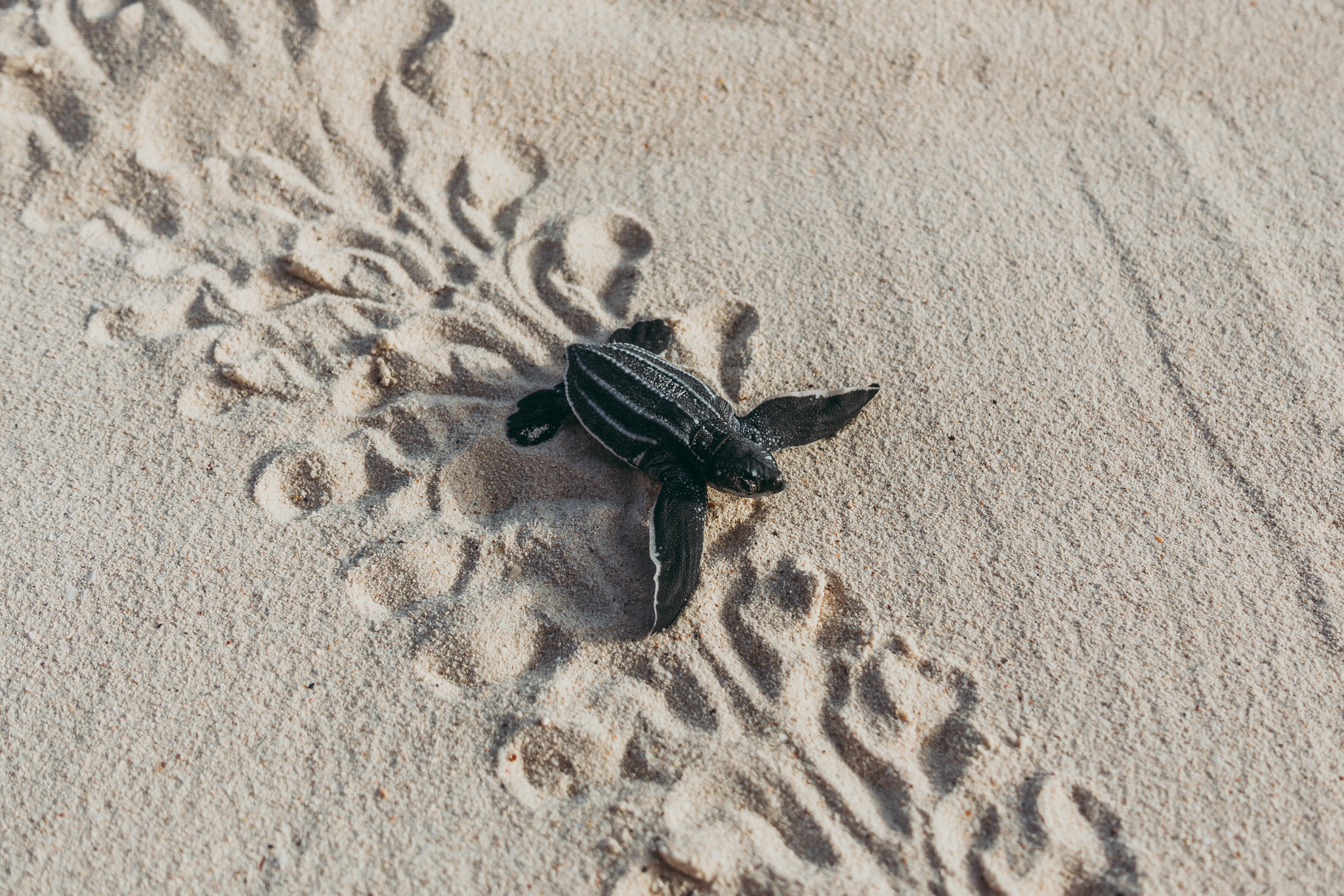
There’s a special kind of magic that happens along Perdido Key’s shores when sea turtle hatchlings emerge and make their way to the Gulf, a spectacle of nature that speaks to the cycle of life in motion.
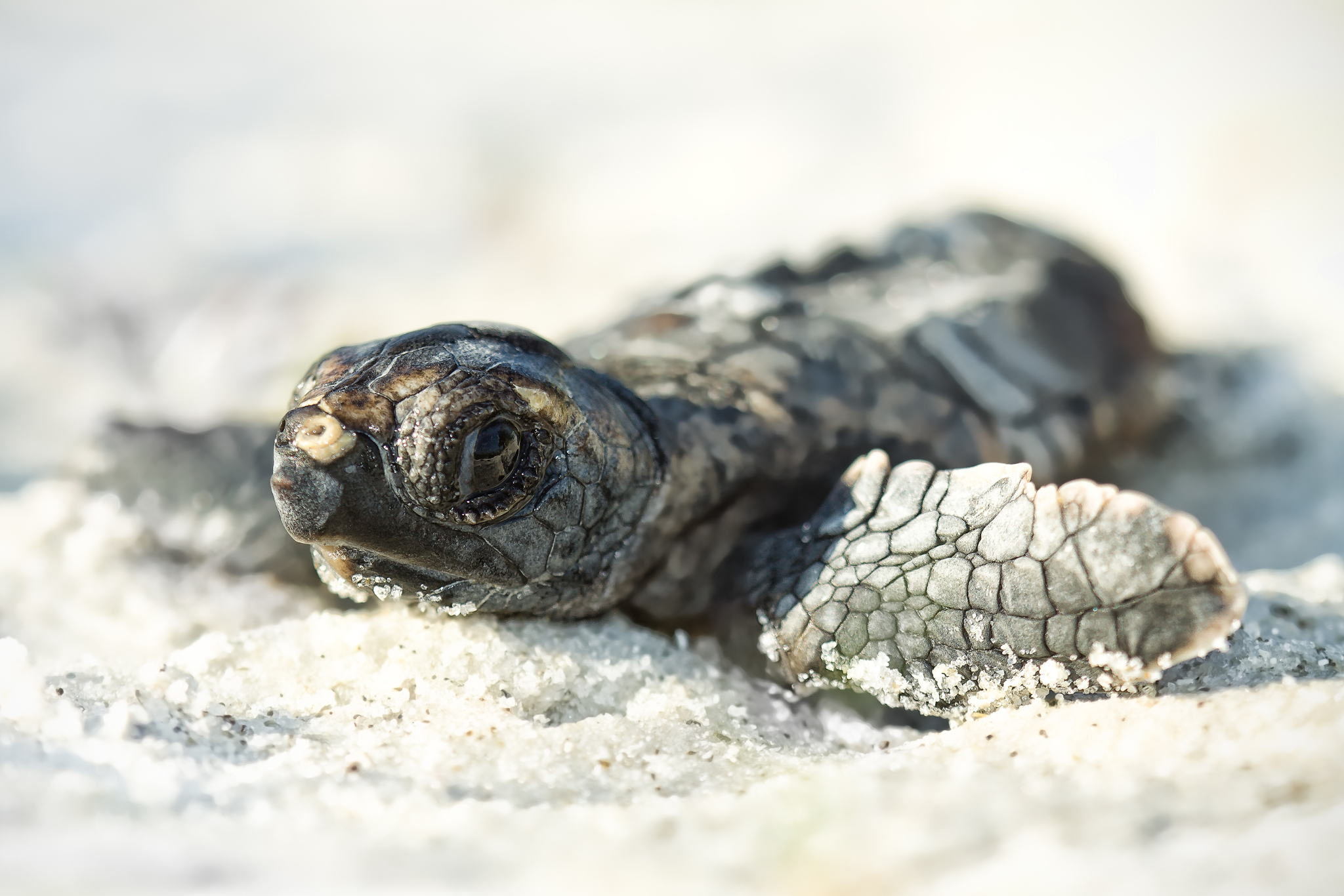
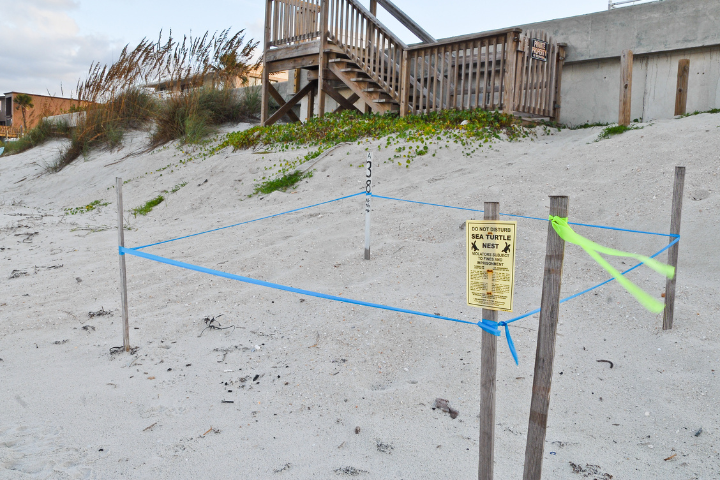
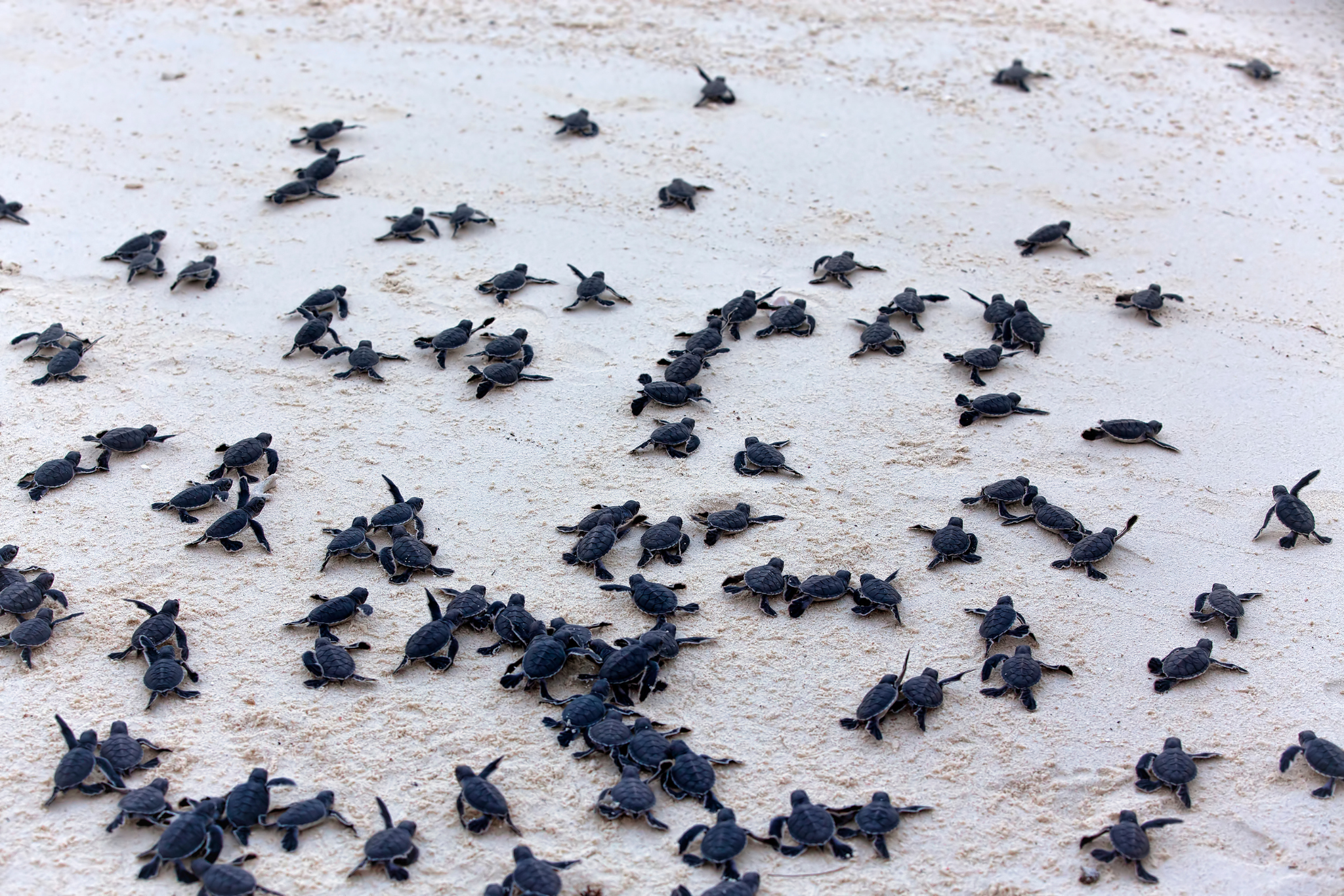
On the evening of July 16, 2025, volunteers monitoring the beach witnessed the start of the season’s first sea turtle hatching—106 loggerhead hatchlings scrambled into the surf under the cover of darkness. Despite some being disoriented by artificial lighting from nearby properties and roads, volunteers were on hand to gently redirect them toward the ocean.
This season is shaping up to be exceptional: Perdido Key has already seen 12 nests. A near-record pace, while Pensacola Beach leads slightly with 13 nests.
July was a peak month for nesting and hatching, with even more hatchlings expected in August and September.
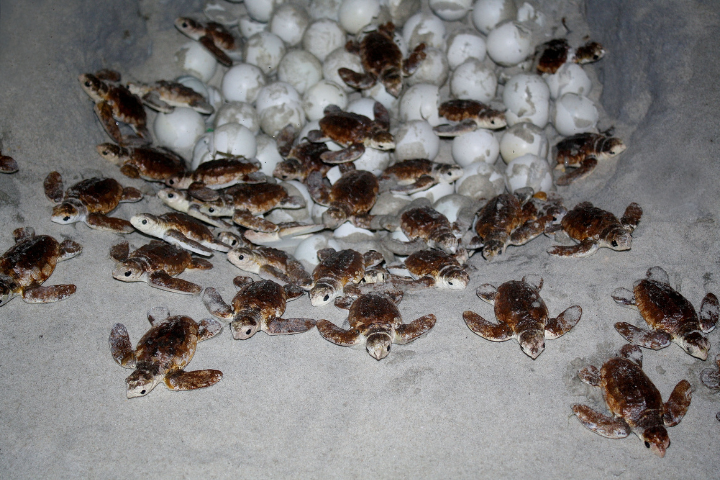

Artificial lighting is one of the most significant threats to hatchling success. Around 60% of sea turtle hatchlings can be disoriented by nearby lights, potentially leading them away from the water and toward dangerous areas like roads, pools, or buildings.
While trained volunteers can help redirect disoriented hatchlings, naturally dark beaches offer the best chance for these tiny explorers to find their way to the Gulf
To ensure hatchlings make it to the sea safely, here’s what you can do:
Lights Out! Turn off all beach-facing lights at night—or switch to a red flashlight if necessary.
Leave Only Footprints: Remove beach furniture, toys, and gear each evening.
If You Dig It, Fill It: Large holes or sand structures pose hazards—always fill them in before bedtime.
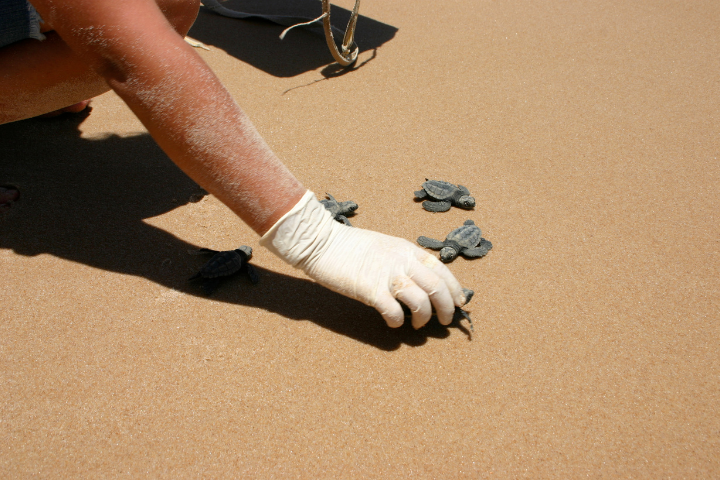
Be Observant, Not Obstructive: If you spot a hatching nest or hatchlings on the beach, keep a respectful distance and call Escambia County Marine Resources at 850‑281‑5904
Next in the Series: Post 4 - "Protecting the Future – How You Can Help Sea Turtles"
In our final post of the series, we’ll share simple, impactful ways you can make a difference for sea turtles—from turning off beachfront lights to joining local conservation efforts—ensuring that future generations can experience the wonder of nesting and hatching season on Perdido Key.